
Crushing that Credit Card Debt
In Australia, there are currently 13,176,477 credit cards issued country-wide, with the average credit card balance being $2,948.
Rukmal Wijesooriya
1/31/20233 min read
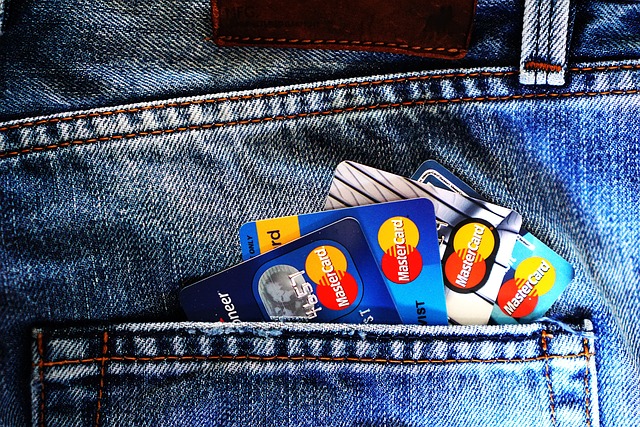

Who has credit cards and how much are they spending?
In Australia, there are currently 13,176,477 credit cards issued country-wide, with the average credit card balance being $2,948.
Every month an average of $33,075,715,286 is spent on credit cards in Australia, costing the population $17.7 billion in interest per year.
It may be surprising to many, but credit card numbers have been falling over recent years, down from 16,719,055 in 2017, with many preferring to operate with cash rather than part with their hard-earned dollar going to interest charges each month.
So how do you CRUSH that credit card debt?
Stop being a prisoner to your credit card debt
Australians love credit cards and the flexibility of the extra spending money they provide. When first applying for a credit card, the excitement kicks in – free frequent flyer points, points to buy new appliances or ‘free’ gift cards. But for many, it does not take long for that new shiny piece of plastic to be causing you much unneeded stress and worry.
Priorities your payment of debts
If you are someone who has one or more credit cards that are unfortunately maxed out and the interest being added seems to be never-ending, it is essential to look at options of how you can repay your debt or consolidate it into one loan with a cheaper interest rate.
When looking at repaying debt, it may be appropriate for you to priorities payments against your secured debt first. Then with any additional resources plan the order of elimination.
Secured debt is a loan that is secured against your home or car. These repayments are the most important because, if not paid, a lender may repossess your car or home, making life very challenging to move forward. Regardless, make sure all minimum repayments are made to all debt to protect your credit rating.
Once you have made your secured debt repayments, you can then focus on paying down your credit card debt or strategies on how to be rid of it altogether.
Balance transfers – a good option?
I am sure you have seen different lenders offering ‘0% transfers’ for the first 12-36 months when you transfer your credit card balance to them. This can be an effective method of repaying your credit card debt IF you do not add further items to your balance.
You need to be careful as some lenders will have a transfer fee of a certain percentage of the balance. They may also have in their terms and conditions that the transferred balance needs to be paid within a certain period otherwise they may add the total interest for the full period back onto your balance.
Most of the time you will be required to pay more than the minimum repayment to guarantee that you have repaid the balance in full at the end of the interest free period. Make the calculations and do not get trapped!
Please don’t hurt your credit file
Balance transfers can be an effective option, but keep in mind they should not be an ongoing solution. They should primarily be used as a strategy to repay your outstanding credit card balance.
If you are thinking of moving your credit card debt from one lender’s interest-free offer to the next and then the next, you may find yourself in trouble.
Moving credit card debt around involves credit applications. Every one of these credit enquiries shows on your credit report. This could hurt your credit score and may affect how a lender looks at your future applications for home loans. Generally, the more enquiries, the worse you will be seen in the eyes of your lender. So just be cautious.
Consider consolidating debts into your home loan
If you feel like you are drowning in credit card debt, then consolidating your debt may be an appropriate option for you.
To take advantage of this option, you may need to refinance your current home loan. Depending on how much equity you have in your home, you may find it possible to refinance any credit cards, store cards or personal loans into your home loan. This would provide you with ONE monthly manageable payment at an interest rate much lower (potentially 4.5%*) compared to the average credit card rate of 19.94%.
Remember, speak with us first as your finance specialist before making decisions and acting without knowing and understanding your range of options. We have the understanding of debt consolidation methods that could be at your disposal.
Helping clients achieve financial freedom through tailored, faith-inspired solutions
Contact
Newsletter
rukmal@ntelligentaccountsandfinance.com.au
0423 547 547
© 2024. All rights reserved.
Intelligent Accounts and Finance Pty Ltd (543206) and Nalin (Rukmal) Wijesooriya (543205)are credit representatives of National Lending Group Pty Ltd, Australian Credit Licence 412778. ABN 39148919715


**This is general information and does not take your objectives, financial situation or needs into account. We provide credit assistance under the National Consumer Credit Protection Act 2009 (NCCP Act). Before acting, consider whether it’s appropriate for you. We will assess suitability and provide required disclosures before any recommendation. Fees, charges, and lender criteria apply. Past performance is not a reliable indicator of future results
45 Spencer Road Killara NSW 2071